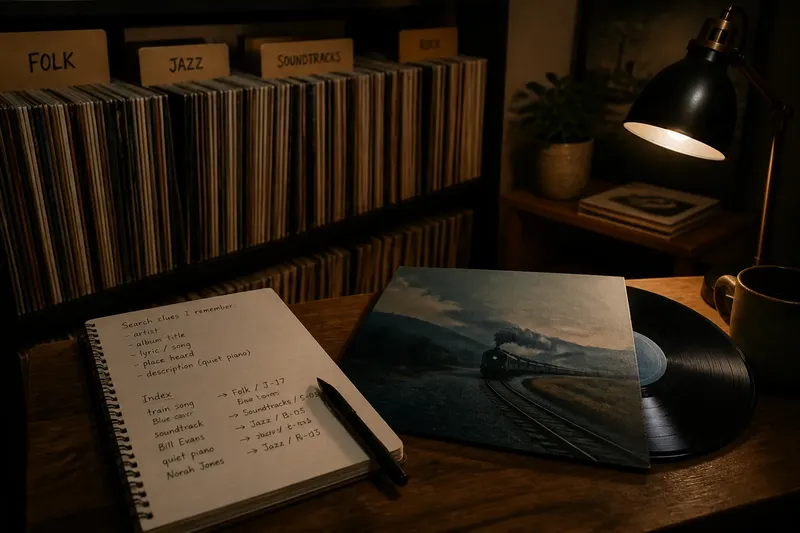
Why a Record Sleeve Is Part of the Listening Experience
A record sleeve can shape how you approach an album. Use its notes, artwork, and handling cues to add context without judging the music by its packaging.
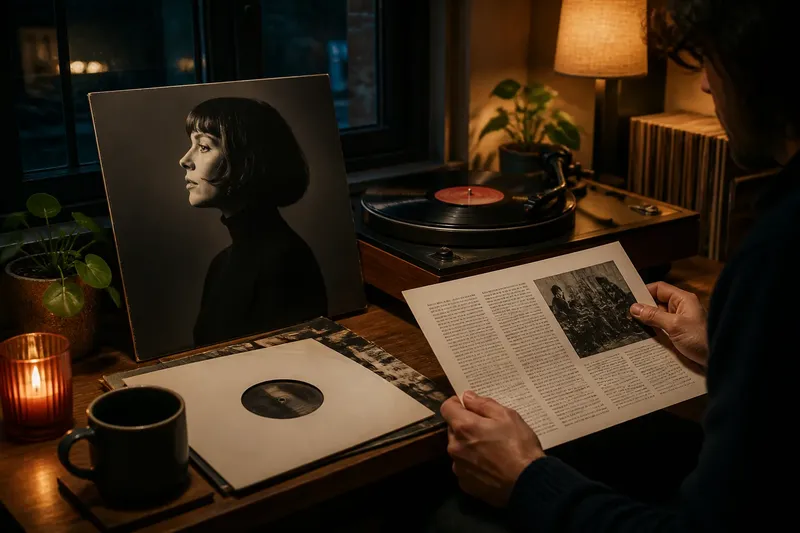
You set a record on the table and notice a handwritten instrument credit beside a crowded photograph. A record sleeve can shape the listening experience before the first note, but it does not decide whether the music is any good.
If the sleeve feels distracting, confusing, or awkward to handle, match how you use it to the way you want to listen. Start with the part that is getting in your way, and leave the rest of the packaging alone.
Notes Without Homework
Dense liner notes can make a relaxed play feel like an assignment, especially when you try to read lyrics, credits, production details, and an essay before the album starts.
Choose one question to carry into the music: Who is playing? What instruments do you hear? Is there a lyric you want to follow? Read only the passage that might help answer it, then leave the rest for later. You can place the notes beside the turntable and glance at them during a natural pause instead of stopping the record to study every line.
Credits can offer a listening cue without becoming a verdict. If the sleeve names a drummer or arranger, listen for that person’s contribution; if the information is incomplete, let the sound itself remain your main evidence. Sparse notes do not make an album less rewarding, and a crowded page does not make it more significant.
Artwork And Expectations
A striking cover may lead you to expect a certain mood, style, or story. That expectation can crowd out what you actually hear, particularly when the image feels more dramatic than the music.
Take in the artwork before the side begins, then notice whether the music follows your expectation or turns elsewhere. If the cover keeps pulling your attention away, set it within view but not directly in front of you, or look at it again after the side ends.
Say you find an album with a stark black-and-white portrait and expect a spare, serious performance. The opening track instead has bright percussion and a playful vocal. Notice the contrast, then decide whether it changes your reading of the image; you do not have to treat the cover as a promise the record has broken.
Handling Without Fuss
Changing sides, returning the record to its inner sleeve, and checking which side is playing all involve movement. If those actions feel clumsy, you may be watching your hands more than listening. A crowded table or awkward sleeve opening can cause more trouble than the listening routine itself.
Before playing, clear a stable surface near the turntable and choose a place for the outer and inner sleeves. Support the record by its edge and label area while moving it; do not set it on a nearby stack or dusty surface. When the side ends, handle it calmly and return it to its sleeve before moving on to something else.
If a printed inner sleeve catches, do not force the record through it. A clean protective inner sleeve may be a more practical place for the disc, with the original printed sleeve kept alongside it. Follow the makers’ handling guidance when it applies.
Questions About Sleeves?
Use these answers to decide how much attention to give the packaging. The right choice depends on whether the sleeve adds useful context, pulls you away from the music, or makes handling uncomfortable.
Should I read liner notes before playing?
Read them first if a little context helps you settle in; otherwise, choose one detail and save the rest for after listening. This keeps the notes available without making them compete with the music.
What if the sleeve has no useful credits?
Start with what is there: a title, lyric, image, or track-list arrangement. If none of it adds context, set the sleeve aside and listen without trying to extract a meaning it does not offer.
How should I treat a fragile original sleeve?
Handle it gently, keep it on a clear surface, and avoid repeatedly pulling the record through an opening that catches. If it is damaged or unusually valuable, ask a qualified record conservator or experienced specialist about suitable storage rather than improvising a repair.
Does elaborate packaging mean better music?
No. Packaging can offer information, atmosphere, and visual pleasure, but those are separate from musical quality. Decide what you think of the recording by listening, not by the amount of printing or artwork around it.
Artwork As A Distraction
Some sleeves invite close attention; others are easier to enjoy when you stop looking at them. If you keep turning the cover over during a track, choose one moment to inspect it, such as before playback or while changing sides. Then put it down and return to the sound.
It is not worth the effort to hunt for a hidden explanation in every image or read every credit as a clue. A sleeve can simply be attractive, practical, or part of the release’s design. Treating it as optional lets you enjoy the object without making it a test of how seriously you listen.
A Small Listening Ritual
Try this short routine when you want the sleeve to add context without taking over. Each action has a simple check: if it draws you toward the music, keep it; if it distracts you, set it aside.
- Look at the front cover and notice one detail, such as a color, object, or expression. If that detail sparks curiosity, keep it in mind as the side begins; if it does not, move on without searching for a hidden meaning.
- Check the track list and choose a song title that catches your attention. If you want to hear how that track fits the side, listen for it; if no title stands out, let the record play in order.
- Read one relevant credit or short passage, if the sleeve offers one. If it gives you a useful listening cue, keep the note nearby; if it feels like homework, leave the rest unread.
- Set the sleeve somewhere stable and play the record without handling the packaging. If the cover remains easy to reach without blocking your view or workspace, leave it there; if it gets in the way, place it farther aside.
- After the side ends, return to the artwork or notes and ask whether they add anything to what you heard. If you can name a connection, keep that detail for another play; if nothing comes to mind, store the sleeve and carry on.
Imagine you have a vocal album with a lyric sheet, a crowded table, and a song title that catches your eye. You clear a stable spot, choose that song as the one to notice, read one short lyric passage, and place the sheet beside the turntable. You play the side without handling the sleeve, then check whether the passage helped you hear the vocal differently. If it did, keep the sheet nearby for another play; if it pulled your attention from the music, put it away next time and listen without it.
A lyric sheet may be worth keeping nearby for a vocal album, while an instrumental record may call for no more than a quick look at the artwork. The useful result is observable: you either notice a connection between the sleeve and the sound, or you find that the packaging distracts you and can skip it next time.
Context In Its Place
Use the record sleeve as an invitation rather than a rating. Notice what the notes tell you, what the artwork suggests, and how handling affects your pace; then give the music room to surprise you.
On a later play, a record sleeve may reveal a credit or image detail you missed. Let that context enrich the listening experience when it helps, and leave it aside when the sound holds your attention better on its own.